
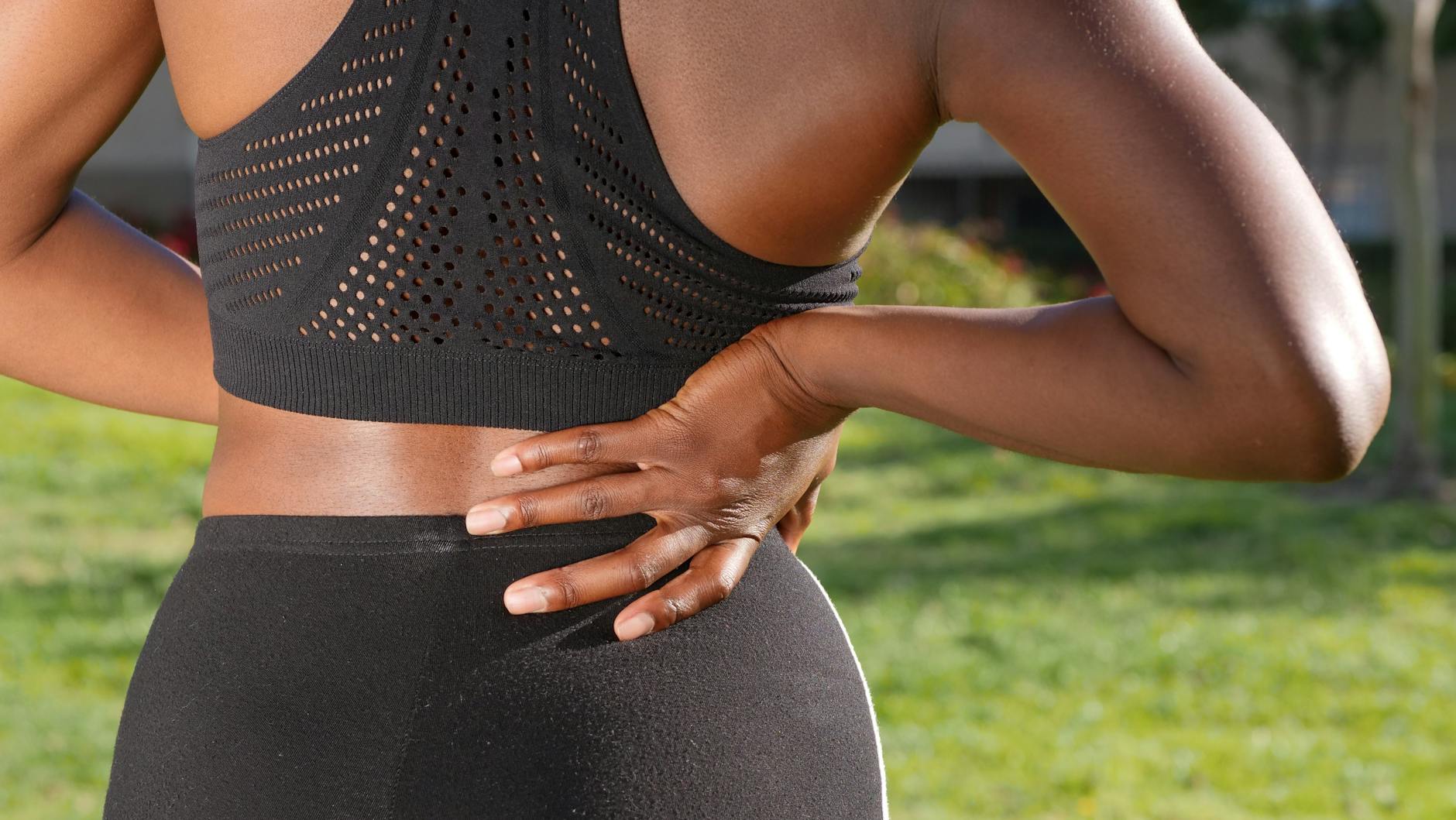
You’re well aware that your body undergoes a series of changes throughout pregnancy. The changes are substantial, but that’s to be expected when you’re literally creating a life form within your uterus! Many of the changes are visual and they can reverse a few weeks or months after giving birth, though some lie a bit deeper within the body – like chronic back pain.
Post-pregnancy back pain is a common complaint among new moms after having a baby. It’s not necessarily a sign of anything wrong, so don’t feel too worried if your back feels a bit sore. There are reasons this happens and ways to treat it; both of which are covered in this guide to back pain after giving birth.
Why Do You Get Post-Pregnancy Back Pain?
Your post-pregnancy back pain is likely caused by one or a combination of the following problems:
- Weakened Abdominal Muscles
- A Weakened Pelvic Floor
- Changes To Your Ligaments/Joints
- Changes To Your Posture
- Being A New Mom
Each one has a bearing on your physicality, which can lead to chronic pain in your back. The good news is that some of these issues will go away as you progress through post-partum recovery. Most moms experience back pain after giving birth but it can subside within a few months. Here are more details on all the possible causes of your back issues:
Weakened Abdominal Muscles
You’ve probably been told this many times during pregnancy, but having a baby weakens your abdominal muscles. As your baby grows, your uterus expands. This pushes against the abdominal wall and stretches out the muscles. Stretched muscles become weaker and less tight, so you lose some ab strength.
How does this relate to back pain? Your abs are a crucial part of protecting your lower back. Having a tight and strong core can prevent back pain, so when your core is loose and weak, all the pressure goes to your back. The muscles take on more strain and are likely to get extra tight and knotty, leading to constant lower back pain.
A Weakened Pelvic Floor
Likewise, the act of giving birth will put a huge strain on your pelvic floor muscles. These are the muscles responsible for holding in your pee! That’s why a lot of pregnant and post-pregnant women suffer from some incontinence; you can’t tense these muscles as well as usual.
Your pelvic floor also helps to protect your back and is another key part of your core. If you lie flat on your back and focus on squeezing your pelvic floor, you’ll notice your lower back starts to flatten on the ground. It’s moving into a more neutral alignment, which takes the stress from your spine. A weak pelvic floor can lead to an aggressive arch in your lower back, creating a lot of constant pain.
Changes To Your Ligaments/Joints
Did you know that hormonal changes in your body cause changes to your ligaments/joints while pregnant? It’s a natural reaction to carrying a baby as your body loosens the ligaments so your joints can become more mobile and ready to give birth. This makes it easier for your hips to open wide, causing fewer issues when your baby comes along.
However, loosening the ligaments throughout your body can have a knock-on effect that causes back pain. Your spine is full of joints and ligaments, so when they’re not as strong or tight as they should be, it can cause more pain along these joints. The good news is that your hormone balance will return to normal a few weeks/months after having a baby, so the ligaments will naturally strengthen.
Changes To Your Posture
All of the physical changes of carrying a baby will bring changes to your posture. Look in the mirror from a side angle and you’ll notice the following:
- Rounded shoulders
- A rounded upper back
- An arched lower back
This is pretty much the poster child for poor posture. You’re going to have a lot of pain in your neck, between your shoulder blades, and around your lower back. Some of your postural changes will revert when you give birth, but if you don’t take action they’ll get worse and your back pain will increase.
How Do You Treat Post-Pregnancy Back Pain?
As noted, you will see some of your pregnancy changes go away after giving birth. This can relieve some types of back pain, though it’s a smart idea to try the following treatments for long-term relief – and to prevent any future back pain.
Chiropractic Care
Get chiropractic care for pain and a specialist will assess your back and make “adjustments.” That’s the technical term for when a chiropractor does all the clicky things to your spine and joints. They do this to help bring everything back into alignment, which should help improve your posture and ease some of the pressure around your spinal joints.
Core Strengthening Exercises
You need a strong core to protect your lower back, so do some core-strengthening exercises. There’s a video below with some simple movements you can do once or twice a day to gradually build up strength:
Postural Improvement Exercises
Improving your core strength will improve your lower back posture, but you should also focus on the following:
- Glute bridges to strengthen your glutes
- Hip flexor stretches
- Chest stretches
- Upper back strengthening exercises
All of these – coupled with practicing good posture every day – will improve the way you stand and relinquish so much pressure on your back.
Pelvic Floor Exercises
Lastly, you’ve got to work on your pelvic floor. The video we linked earlier will also tackle pelvic floor exercises, but there are ways to strengthen these muscles throughout the day without anyone knowing. The best piece of advice is to act like you’re holding in a wee and clench the muscles down there. You’ll feel them activate and you can do 10 or so reps whenever you like – or hold the clench for as long as possible.
We’ll round up this guide by reiterating that post-pregnancy back pain is highly common and nothing to worry about. With the right corrective exercises, you’ll be pain-free in no time!
 Sophie Okolo, MPH
Leave a comment